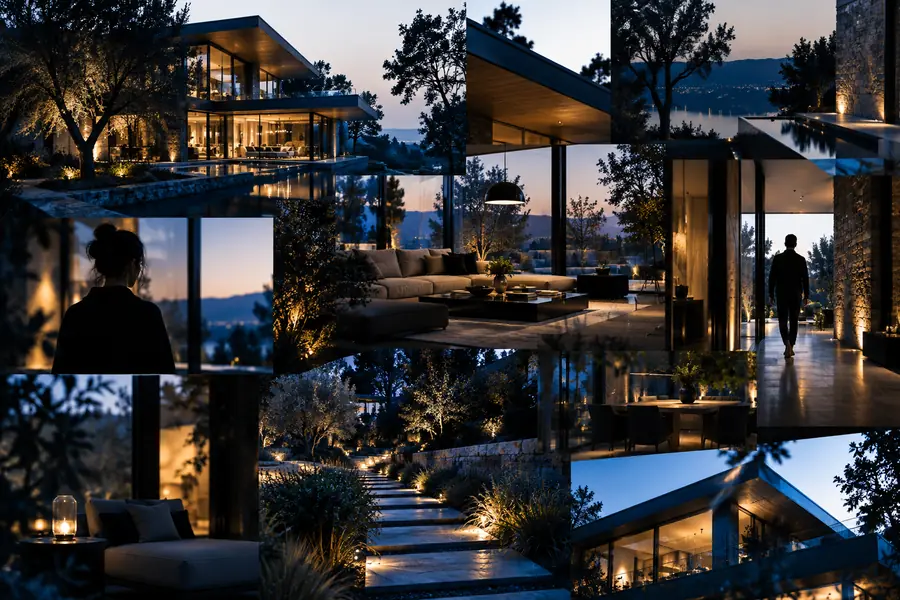
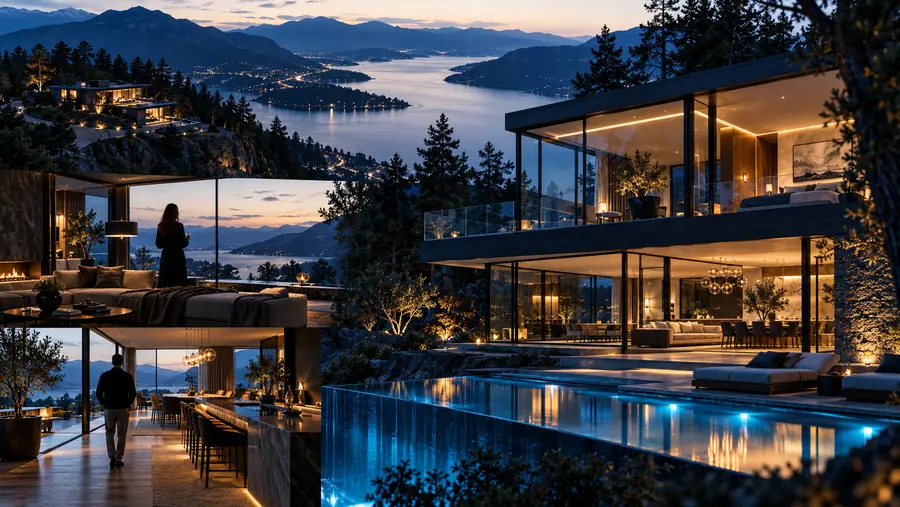
Make nim video for real estate feel like a guided tour
Turn a property brief into a focused visual story that helps buyers understand the home before they book a viewing. Nim video keeps the real estate message centered on space, flow, and the next action.
Real estate content has to make a property easier to picture, not simply make it look polished. These related guides cover adjacent ways to shape the same visual workflow.
each item
A dependable property video can be planned as a short sequence: establish the place, direct attention, then close with a useful next step.
1
Set the property angle
Start with the audience and the strongest reason to care: family space, rental potential, natural light, location, renovation quality, or a distinctive room.
2
Arrange the visual route
Order the scenes so the viewer can mentally move through the property. Pair each room with one concrete detail rather than stacking every available feature into the opening.
3
Finish for the channel
Choose a clear closing message for the listing page, social feed, email, or presentation. Keep the property name and contact action easy to find in the final frame.
quality bar
The strongest real estate videos reduce uncertainty. Each persona needs a different emphasis, but every version should leave the viewer with a sharper sense of the property and its fit.
Listing agent
A new instruction needs a concise first-look video that can sit beside the listing photos and make the key differentiators obvious.
A confident property overview with a logical room sequence and a clear viewing prompt.
Most avoidable edits come from unclear priorities rather than from the final rendering. Treat these quantities as planning checkpoints for a practical listing cut.
1Lead with one buyer-relevant property promise before adding secondary features.
1angle
2Use an opening, a guided middle, and a closing action so the story has visible movement.
3beats
3Prepare a landscape listing version and a vertical social version when the campaign needs both.
2formats
4End with one next step, such as booking a viewing, requesting details, or contacting the agent.
1action
quality bar
Compare a listing-first cut with an agent-brand cut before production. Both can work, but they solve different communication problems.
Listing-first cut
Agent-brand cut
1
Opening
Listing-first cut
The property’s strongest visual or defining feature
Agent-brand cut
A brief agent introduction linked to the buyer’s need
2
Primary subject
Listing-first cut
Rooms, flow, light, materials, and location cues
Agent-brand cut
The agent’s guidance and interpretation of the property
3
Pacing
Listing-first cut
Quick enough to scan, with room transitions kept obvious
Agent-brand cut
More conversational, with pauses for explanation
4
Best placement
Listing-first cut
Property portals, social previews, and email campaigns
Agent-brand cut
Personal channels, consultations, and local market updates
5
Proof points
Listing-first cut
Specific features that can be seen or clearly stated
Agent-brand cut
Context about suitability, process, or local expertise
6
Closing action
Listing-first cut
Book a viewing or request property details
Agent-brand cut
Contact the agent for advice or a private conversation
common rework
A before-and-after comparison shows why editing priorities matter. The improved version is not simply more decorated; it makes the property easier to follow.
Feature pile-up
Guided property story
Rework falls when every scene has one clear job.
Give the property a clearer visual route
Use Nimvideo to turn the listing brief into a focused real estate story, then adjust the emphasis for the audience and channel. Start with the home’s strongest promise, keep the sequence easy to scan, and finish with the action a serious buyer should take.
Adapt the same story for listing and social contexts
scenario FAQ
Begin with the property’s strongest buyer-relevant promise, such as layout, light, location, outdoor space, or renovation quality. The opening should establish why this home deserves attention before moving into supporting details.
It can, but showing every room is not always the clearest approach. Prioritize the spaces and transitions that explain how the property feels and functions, then use the remaining listing information elsewhere.
The core story can stay consistent, but the framing and pacing may need to change for a property page, vertical social post, email, or presentation. Plan the main narrative first, then adapt the crop, duration, and closing action.
Choose a specific audience and one clear property angle before writing the sequence. Concrete details such as a connected kitchen-dining area, garden access, commute convenience, or flexible workspace give the story a reason to exist.
Rework usually begins when the brief lists features without ranking them. A stronger plan gives each scene one purpose, keeps the room order understandable, and uses one closing action instead of several competing requests.