System overview

Explore nim video ai architecture from prompt to output

nim video ai architecture is easiest to understand as a sequence: interpret the brief, assemble visual decisions, generate motion, then review the result. This guide separates the mechanisms from the marketing language so you can see what each stage contributes.

Abstract blue video creation scene showing layered visual elements

Related paths

Core mechanisms

Three mechanisms behind the output

The architecture can be viewed through three connected jobs. Each one changes what you provide, what the system interprets, and what you should inspect before using a result.

The prompt planner

A marketer has a short idea but needs a coherent scene, subject, setting, and action rather than a loose sentence.

The brief becomes a structured creative direction with fewer hidden assumptions and a clearer visual goal.

nim video create
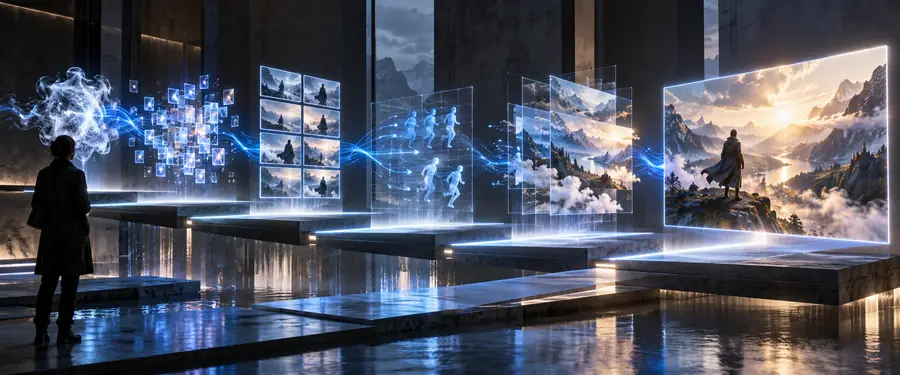
The scene builder

A creator needs the visual elements to stay related across framing, subject placement, movement, and atmosphere.

The system can treat the request as a connected scene instead of isolated words, making review more deliberate.

nim text-to-video

The review loop

A team receives an early output and needs to decide whether to revise the wording, the visual direction, or the expected result.

Feedback becomes actionable: change one part of the brief, rerun the idea, and compare the new result with the original intent.

nim video tutorial for beginners

The delivery planner

A social or campaign team wants to judge whether a generated clip fits its audience, channel, and editing plan.

The video is treated as a production input that may need selection, trimming, captions, sound, or brand finishing.

nim video for business

Process map

How the workflow moves

A useful mental model is to move from meaning to appearance, then from appearance to judgment. The stages are connected, but each has a different responsibility.

  1. 1

    Define the intent

    State the subject, action, setting, mood, audience, and desired format in ordinary language. Specific intent gives the later stages something concrete to preserve.

  2. 2

    Assemble the scene

    The system interprets the brief into visual relationships: what should be prominent, what should move, how the scene should feel, and which details are secondary.

  3. 3

    Inspect and refine

    Review the result against the original goal rather than against a vague sense of quality. If the subject, action, or tone is wrong, revise that part of the brief and test again.

Practical boundaries

Limits and practical edges

Architecture explains a workflow; it does not remove the need for creative judgment. These are the boundaries worth planning around before treating an output as final.

  • A prompt cannot guarantee exact continuity

    Generated motion may change small details between moments, especially when a scene contains several subjects or actions.

    WorkaroundKeep the brief focused, reduce competing actions, and select or edit the strongest usable passage.

  • A clear request is not a finished production plan

    The architecture can help create a visual starting point, but it does not replace decisions about brand rules, pacing, captions, sound, or final distribution.

    WorkaroundUse the generated result as a draft asset and complete channel-specific finishing in your normal editing workflow.

  • Complex instructions can compete with one another

    Adding every camera move, style reference, object, and narrative beat at once can make the intended priority unclear.

    WorkaroundRank the most important visual requirement first, then add only the details that support it.

  • Review still depends on human context

    A technically convincing clip may still miss the audience, message, cultural context, or claim standards of a campaign.

    WorkaroundHave a person compare the output with the brief, brand guidance, and approval requirements before publishing.

At a glance

Architecture at a glance

These numbers describe the working model on this page, not a promise about hidden performance or a fixed product limit.

1 Define intent, assemble the scene, and inspect the result.
3 stages
2 Subject, action, setting, and audience help expose weak or missing direction.
4 review lenses
3 Revise the brief, generate another version, and compare it with the original goal.
1 feedback loop

Visual model

From prompt to result

  • Brief and structure
  • Usable visual draft

The result still needs human review and finishing.

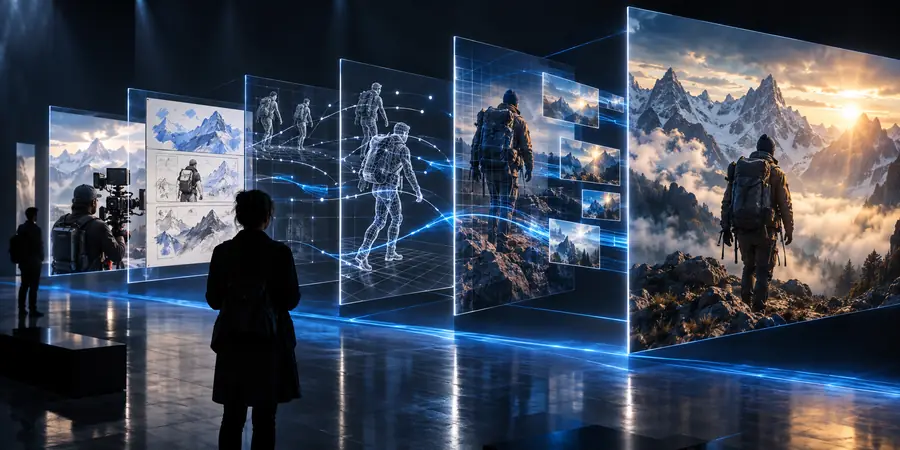
Architecture guide image representing a video prompt and its stages
Example generated video scene with a defined subject and setting

Next step

Turn the model into a working brief

Once you understand the architecture, the most useful next move is to test one focused idea. Describe the subject, action, setting, and audience, then use the result as a draft to evaluate and refine.

Test a video idea
  • Start with one clear scene
  • Keep the main action easy to judge
  • Review before treating the output as final

Questions answered

nim video ai architecture FAQ

It refers to the stages through which a written idea becomes a visual video draft. The practical model is to define intent, assemble the scene, and inspect the result against the original brief.

It interprets the prompt as a set of connected visual decisions rather than as isolated keywords. Subject, action, setting, mood, and audience give the workflow enough direction to form a more coherent starting point.

No. A structured brief can reduce ambiguity, but generated motion may still vary in continuity, detail, or interpretation. Human review and selective revision remain part of the process.

Begin with the main subject, the action, the setting, and the intended audience or use. Add only the style and camera details that support that priority, then revise one weak area at a time.

Not necessarily. Treat the first result as a draft and check its message, visual accuracy, brand fit, pacing, captions, sound, and channel requirements before delivery.

Start creating
Start creating